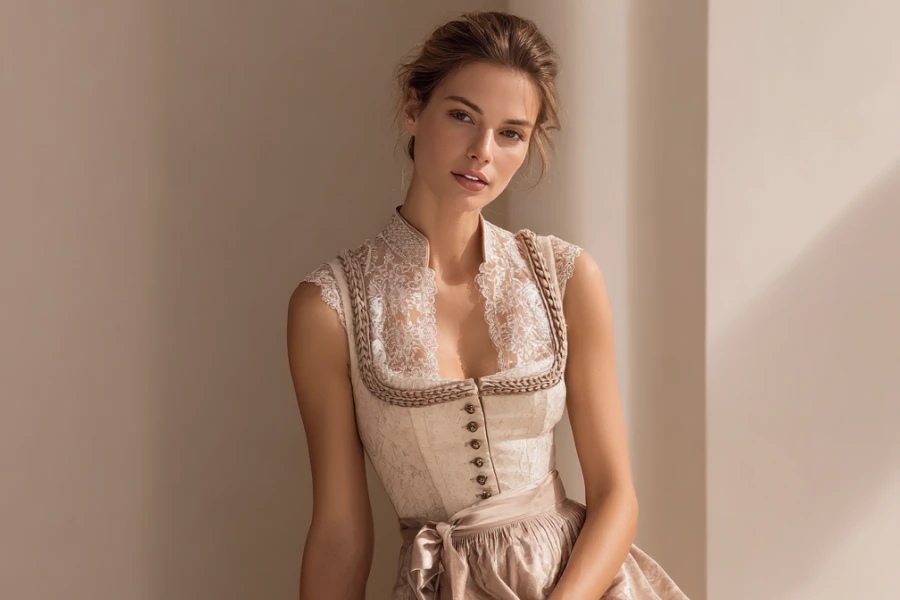
The Digital Collection of Fashion Timeline helps readers trace how clothing shaped identity, culture, and social change across centuries. Fashion never moves randomly, and understanding its evolution gives modern style deeper meaning.
This guide explores silhouettes, materials, and trends with clarity and historical context. Readers gain perspective instead of shallow trend summaries. Designers, students, and style lovers benefit from structured historical insight.

Why the Digital Collection of Fashion Timeline Matters Today
Modern fashion often recycles ideas without explaining their origins or cultural significance. The Digital Collection of Fashion Timeline connects garments to historical moments and social movements.
This approach explains why certain shapes return and others disappear. Readers learn how politics, technology, and art influenced everyday clothing choices. That knowledge sharpens personal style decisions and creative direction.
Unlike scattered blog posts, this resource organizes eras logically and clearly. The Digital Bundle on Fashion History offers structured chapters that guide readers through major transformations.
Each section explains what changed and why it mattered. Readers avoid surface-level facts and gain meaningful historical connections.
From Ancient Dress Codes to Industrial Transformation
Early clothing reflected status, climate, and available materials rather than trends. Ancient societies used garments to signal rank and profession. As trade expanded, fabrics and dyes traveled across borders.
These shifts laid foundations for later fashion systems. The Digital Bundle on Fashion History explains these transitions with practical examples.
The industrial era changed fashion speed and accessibility forever. Machines replaced handcraft for mass production. Clothing became affordable for broader populations.
Fashion cycles accelerated and class distinctions blurred. Readers exploring a Fashion History Timeline Collection see how technology reshaped wardrobes globally.
Digital Collection of Fashion Timeline Through Iconic Eras
Each fashion era reflects its social atmosphere and cultural priorities. The Victorian period emphasized structure and modesty. The Roaring Twenties celebrated freedom and movement.
Postwar fashion introduced practicality and optimism. These patterns repeat across history with new interpretations.
The Digital Bundle on Fashion History presents eras side by side for comparison. Readers spot recurring themes like rebellion, minimalism, and luxury cycles.
This structure helps learners connect past aesthetics to current trends. The experience feels educational rather than promotional.
How Fashion Evolution Shapes Modern Style Choices
Understanding fashion history improves shopping and styling decisions. Consumers recognize references instead of chasing microtrends.
Designers gain inspiration grounded in context rather than imitation. Stylists explain looks with confidence and credibility. A strong Online Fashion Evolution Guide supports these goals effectively.
Historical awareness also promotes sustainable fashion habits. Shoppers value craftsmanship and longevity over disposable trends.
The timeline perspective encourages thoughtful wardrobes. Readers begin to see clothing as cultural artifacts, not fast consumption items.
Digital Collection of Fashion Timeline as a Learning Tool
Students and educators often struggle with fragmented fashion resources online. The Digital Collection of Fashion Timeline solves that problem with structured learning paths.
Each era builds upon previous developments. Readers retain information more easily through logical progression.
The Digital Bundle on Fashion History supports self-paced study and reference use. Learners revisit sections without losing context.
This flexibility suits classrooms, creative studios, and independent research. The material remains practical and approachable.
What Makes a Timeline-Based Approach Effective
Timelines clarify cause and effect within fashion movements. Readers understand why trends emerged and faded. Visual and chronological structure prevents confusion. Knowledge builds naturally without overwhelming detail.
Exploring a Fashion Trend Timeline Archive helps readers see long-term patterns. Minimalism often follows excess. Innovation appears after restriction. These insights improve forecasting and creative planning.
- Clear chronological structure supports deeper understanding
- Historical context explains recurring trends
- Era comparisons strengthen analytical thinking
- Practical insights apply to modern fashion decisions
Connecting Culture, Art, and Clothing
Fashion never exists separately from culture and art movements. Designers respond to music, politics, and social change. Clothing becomes visual storytelling. A timeline approach highlights these connections clearly.
The Digital Fashion Era Resources included in the bundle help readers decode symbolism. Understanding context adds depth to runway collections and everyday outfits. Readers gain confidence when interpreting style references.
Who Benefits Most From This Resource
This guide suits fashion students, content creators, and style-conscious professionals. Beginners gain foundational knowledge without academic complexity.
Experienced readers refine their understanding through structured analysis. The learning experience feels practical and relevant.
Anyone researching fashion history appreciates organized insight. The Digital Bundle on Fashion History supports research, inspiration, and education. It answers questions that casual articles often ignore.
Using Historical Insight for Creative Growth
Creativity thrives on informed references rather than random inspiration. Historical awareness sharpens originality. Designers reinterpret ideas with intention and respect. Writers add credibility to fashion narratives.
Following a Digital Collection of Fashion Timeline helps creatives avoid repetition. Knowledge encourages innovation instead of copying trends. This approach builds stronger personal and professional style identities. Readers walk away informed, confident, and inspired.
Expand Your Horizon Even Further
Deepening your understanding of style and personal growth goes hand in hand with exploring fashion history. If you want to improve how you think and present yourself, consider resources that complement the timeline knowledge.
For example, the Self-Talk Improvement Workbook helps you build confidence by reshaping internal dialogue. Strong self-belief influences how you carry yourself in style and in life.
Another helpful companion is the Digital Workbook Set for Personal Style. While the fashion timeline teaches context, this set helps you apply what you’ve learned to your wardrobe choices. It turns historical insight into practical style habits that suit who you are today.
If your goals include launching a creative business or monetizing your fashion expertise, the Starter Bundle for Online Entrepreneurship guides you through first steps with clarity. Understanding fashion history and personal style enriches your brand storytelling and audience connection.
Each of these resources enhances your journey beyond style knowledge into personal growth and creative expression.
Leave a Reply